Should You Buy Reconditioned Pallets for Automated Warehousing?
A pallet can look perfectly serviceable beside a loading dock and still cause trouble once it enters an automated warehouse. In Sydney operations, the problem often appears after repeated conveyor runs rather than on day one. Reconditioned Pallets can work, but only when their dimensions, deck condition and structural integrity match the system handling them. That makes inspection more important than appearance.
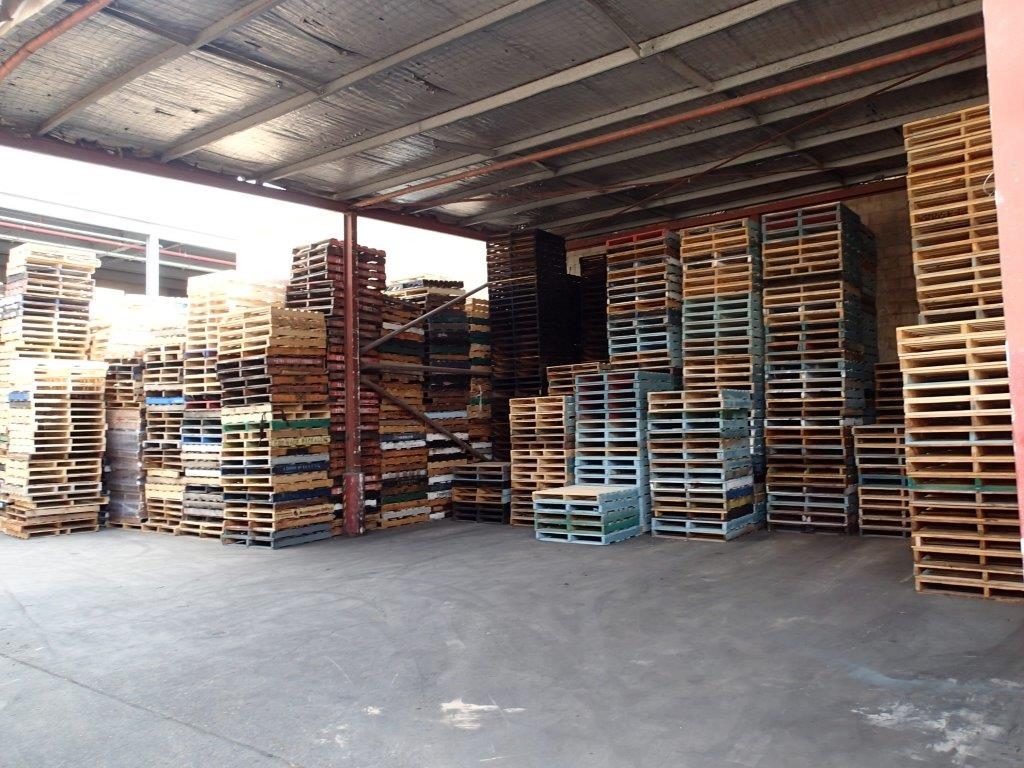
What Do Reconditioned Pallets Need to Handle Automation?
Reconditioned Pallets face less tolerance for variation once forklifts give way to conveyors, automated storage and robotic handling. A board sitting slightly proud or a repaired stringer that has shifted can be insignificant during manual handling, yet become the pallet that stops a transfer point.
Check for:
Consistent height and width
A reasonably flat deck
Sound boards, blocks or stringers
No protruding nails
Appropriate load capacity
Previous repairs that remain secure
Signs of moisture or warping
Are Recycled Pallets and Second Hand Pallets Suitable?
Recycled Pallets and Second Hand Pallets can suit automated applications, but mixed stock is where problems tend to creep in. A warehouse may start with a controlled batch, then gradually add pallets from different sources because a few replacements are needed. Six months later, dimensions and condition can vary more than the original specification allowed.
Before ordering, ask:
How is each pallet graded?
Are dimensions checked?
What repairs are permitted?
Can the same specification be supplied again?
How are rejected units handled?
Is replacement stock normally available?
When Should You Consider New or Plastic Pallets?
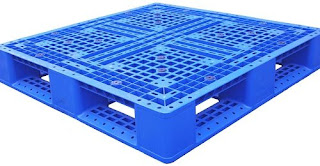
Recycled Pallets may remain attractive where automation tolerates some variation, while new pallets can make sense where a tighter specification is required. Plastic pallets are another option, but they aren't automatically the better answer; equipment design, loads, operating conditions and budget still matter.
Look at:
Conveyor and racking requirements
Handling frequency
Dimensional tolerance
Purchase price
Replacement cost
Consequences of a failed pallet
Frequently Asked Questions
Can reconditioned pallets run on conveyors?
They can, provided the pallet specification suits the conveyor system.
Are repaired pallets suitable for automation?
Some are, but previous repairs should be inspected individually.
Are new pallets always preferable?
No. The equipment specification should determine the choice.
Conclusion
Reconditioned pallets can be a sensible choice for automated warehousing, but the cheapest pallet isn't necessarily the economical one. Dimensional variation, previous repairs, warped timber and inconsistent replacement stock can become expensive once machinery depends on predictable handling. Check the manufacturer's requirements, inspect a representative batch and test it under normal conditions before committing to volume.


Comments
Post a Comment