How Does Pallet Repair Compare to Simply Buying Reconditioned Stock?
Damaged pallets rarely arrive in neat batches. One week, a Sydney warehouse might have twenty units with a single broken board; the next, half the stack may show soft stringers after a wet delivery. Choosing between pallet repair and buying ready reconditioned stock often comes down to two practical issues: how quickly the dock needs clear space and how much confidence you have in the remaining life of each pallet under daily forklift traffic.
When Does Pallet Repair Still Make Sense?
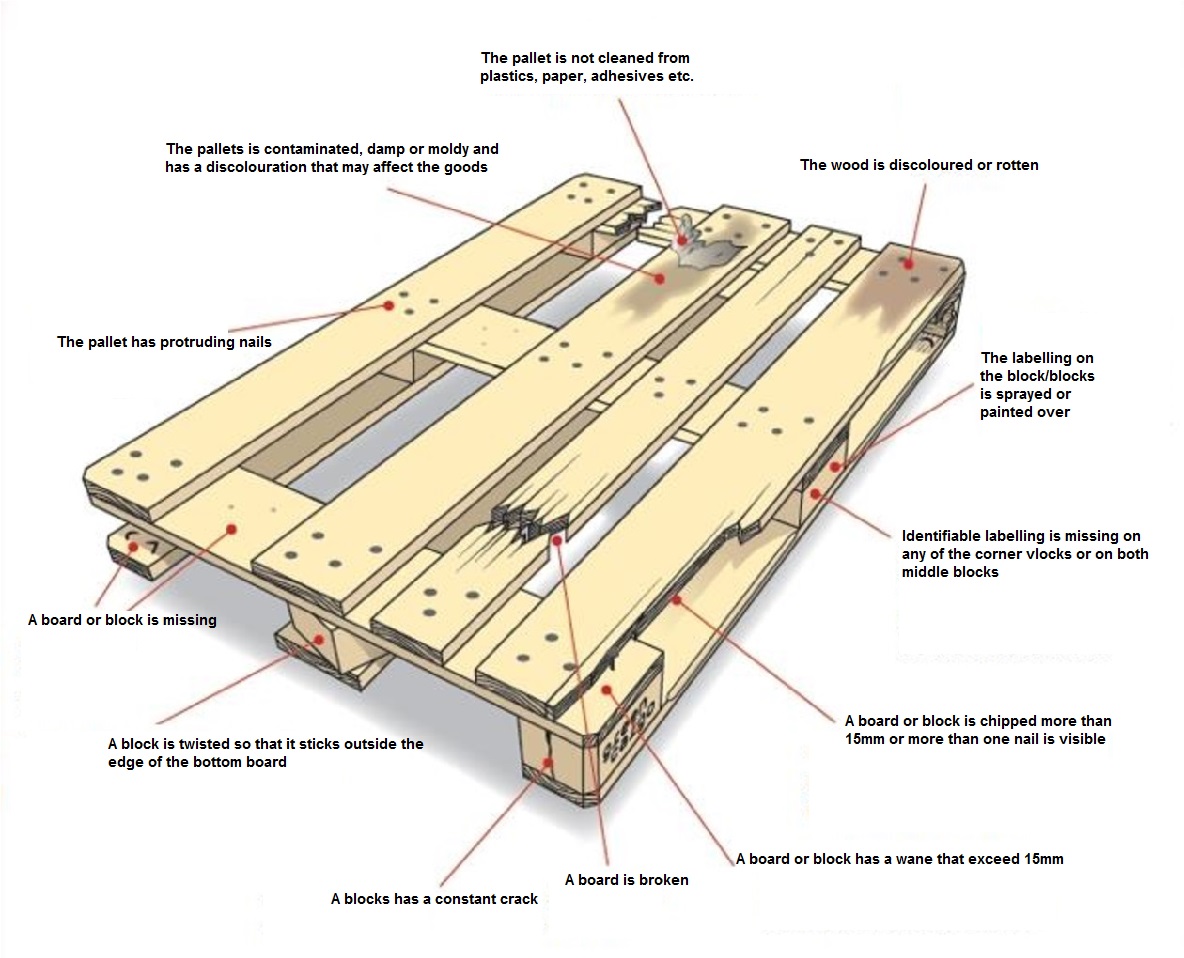
Pallet repair works well when damage is limited and predictable. A few broken boards or loose nails don't necessarily justify replacing an otherwise sound pallet. Repairing those units can keep them within your existing fleet rather than creating another batch of different pallets to manage.
In practice, the decision becomes less attractive when the same pallets repeatedly return for repair.
Single-board damage is usually straightforward
Minor structural faults may be repairable
Previously repaired stringers need closer inspection
Multiple repairs can shorten useful service life
Waiting pallets still occupy valuable floor space
When Are Reconditioned Pallets the Better Buy?
Buying reconditioned pallets removes much of that waiting. Graded stock is ready to enter service, which can matter when dispatch volumes suddenly increase or a customer requires a particular pallet size.
The higher purchase price can be justified when:
Outbound orders cannot wait for repairs
You need a consistent pallet specification
Damaged stock is taking up loading space
Your repair queue keeps growing
Forklift operators need reliable units
Where Do Recycling Pallets Fit?
Recycling pallets and wooden pallet recycling provide a third route for units that no longer make financial sense to repair. This is particularly useful when broken pallets have accumulated alongside repairable ones and nobody has separated them.
You can usually make the process easier by separating:
Repairable pallets
Reusable graded pallets
Heavily damaged units
Contaminated or unsuitable timber
FAQ
Is pallet repair always cheaper?
No. Labour, replacement timber, collection and turnaround time can make reconditioned stock more economical.
How long does pallet repair take?
It varies with volume, collection scheduling and repair workload. Ready stock is generally quicker when replacements are urgent.
Do repaired pallets have a shorter life?
Not necessarily. A straightforward first repair may restore a pallet effectively, while repeatedly repaired structural components deserve more scrutiny.
Are repaired pallets less durable?
No need. It can be that a simple first repair restores a pallet well enough, while several repairs to the structural parts should be taken into consideration.
Conclusion
Pallet repair makes sense when damage is limited and your warehouse can accommodate the turnaround. Reconditioned stock becomes more appealing when space, dispatch schedules or pallet consistency are already under pressure. Instead of choosing only one approach permanently, evaluate the condition, volume and urgency of the pallets which are in your yard.


Comments
Post a Comment